How to Choose the Best Interior Designer in Bangalore in 2026
Choosing the best interior designer in Bangalore for your home is an important decision. Your interior designer is not only responsible for making your home look beautiful but also for planning the space, selecting materials, designing furniture, managing details and, depending on the scope, coordinating the execution.
With so many interior design companies and contractors available in Bangalore, it can be difficult to know which one is right for your project.
The best approach is not to choose a company only because of its portfolio or the lowest quotation. You should look at the company’s design process, experience, portfolio, materials, communication, execution capability and ability to understand your lifestyle.
In this guide, we explain the most important things to consider before choosing an interior designer in Bangalore in 2026.

1. Understand What You Actually Need
Before searching for an interior designer, first decide what type of service you need.
You may be looking for:
- Complete home interiors
- Residential interior design
- Modular kitchen design
- Wardrobe design
- 2D floor planning
- 3D interior visualization
- Custom furniture
- Villa interiors
- Apartment interiors
- Commercial interiors
- Turnkey interior design and execution
Not every interior design company provides the same services.
Some companies focus mainly on design, while others provide both interior design and execution.
Knowing what you need will help you shortlist the right companies.
If you are looking for a company that can manage both design and execution, you can explore Tatva Interiors & Design Studio’s services to understand the complete range of solutions we provide.
2. Check the Interior Designer’s Portfolio
One of the first things you should check is the company’s portfolio.
Don’t look only at the most attractive image.
Try to understand whether the designer has experience with different types of projects, such as:
- 1BHK apartments
- 2BHK apartments
- 3BHK homes
- Villas
- Independent houses
- Kitchens
- Bedrooms
- Living rooms
- Offices
- Commercial spaces
A good portfolio should demonstrate the designer’s ability to work with different spaces, budgets and design styles.
You can explore the Tatva Interiors & Design Studio portfolio to see examples of residential and commercial design work.
3. Look for a Design Process
A professional interior project should follow a structured process.
Ideally, the process should include:
Requirement discussion → Site measurement → Space planning → 2D drawings → 3D visualization → Material selection → Quotation → Execution → Handover
A structured process helps reduce confusion and unnecessary changes.
Ask the interior designer how they handle your project from the first consultation to completion.
If the company cannot clearly explain its process, ask more questions before making a decision.
4. Ask for 2D Space Planning
Before finalizing furniture and finishes, the space should be planned properly.
A 2D layout helps determine:
- Furniture placement
- Cabinet locations
- Kitchen layout
- Wardrobe positions
- Door clearances
- Circulation
- Electrical points
- Functional zones
This is particularly important for apartments where every square foot matters.
A beautiful 3D image cannot compensate for a poorly planned layout.
The layout should work functionally before it is made visually attractive.
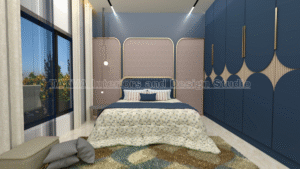
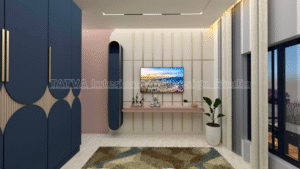
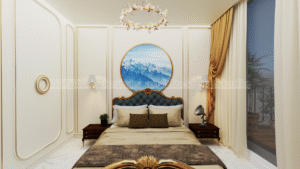
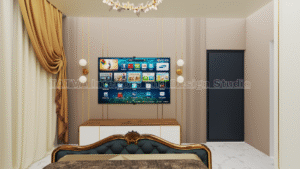
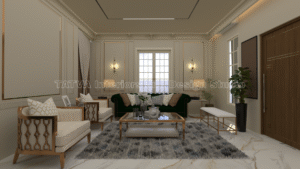
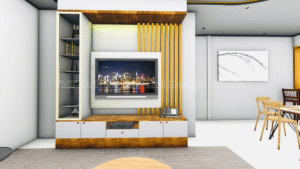
5. Check Whether 3D Visualization Is Provided
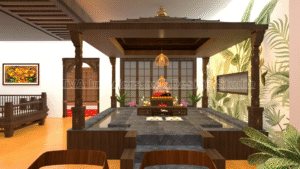
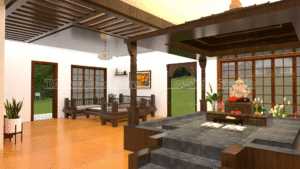
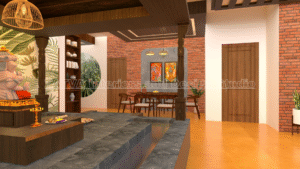
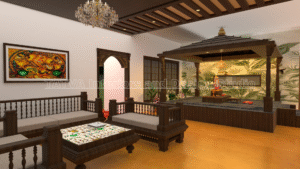
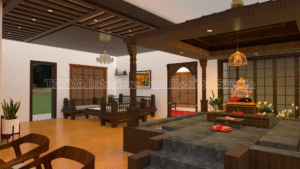
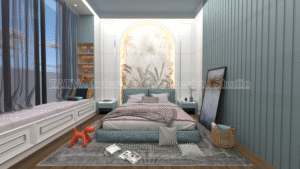
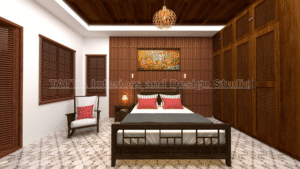
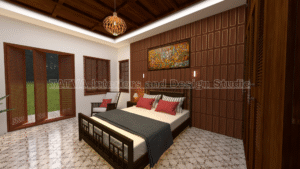
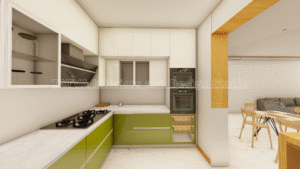
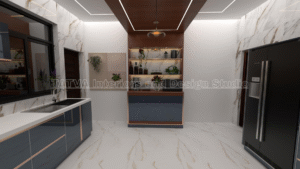
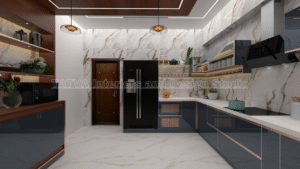
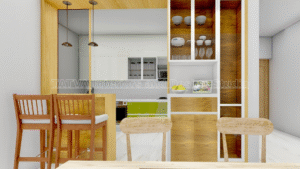
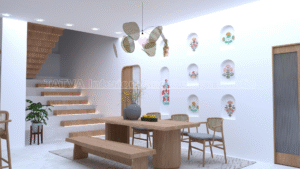
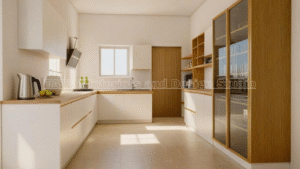
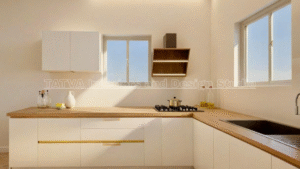
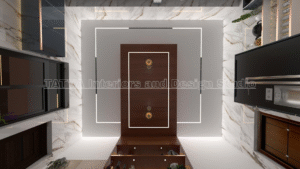
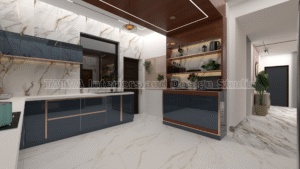
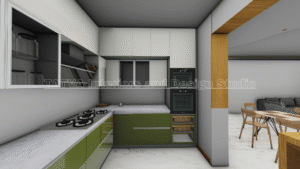
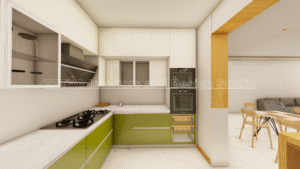
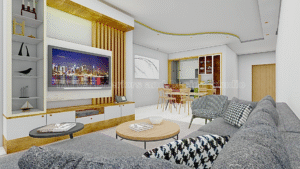
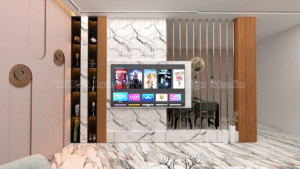
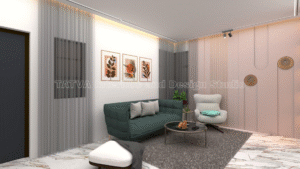
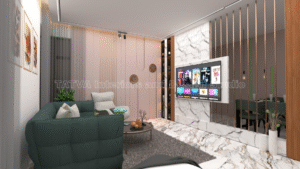
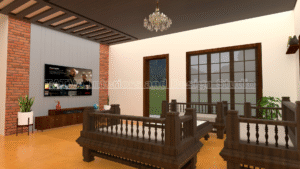
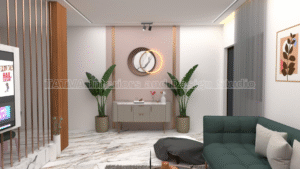
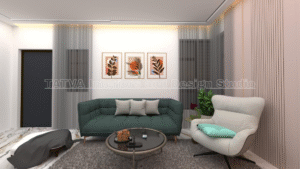
One of the biggest advantages of working with a professional interior designer is being able to visualize the proposed design before execution.
A 3D interior visualization can help you understand:
- Colours
- Furniture
- Materials
- Lighting
- Flooring
- Kitchen finishes
- Wardrobes
- Wall treatments
- Ceiling design
This makes it easier to identify changes before execution begins.
At Tatva Interiors & Design Studio, 3D visualization is part of our design approach because we believe homeowners should be able to understand their space before it is built.
6. Ask About Material Specifications
Never accept a quotation that only says:
“Premium quality materials.”
Ask what the actual materials are.
For example:
- What board material is being used?
- What thickness is specified?
- Which laminate or finish is included?
- What hardware is being used?
- What countertop material is included?
- What type of paint is specified?
- What lighting is included?
Material specifications can make a significant difference to the final cost and durability of your interiors.
Two companies may provide very different quotations because their specifications are different.
7. Compare Quotations Properly
Price is important, but the cheapest quotation is not necessarily the best option.
When comparing quotations, check:
- Design scope
- Kitchen specifications
- Wardrobe specifications
- Furniture
- Hardware
- Electrical work
- False ceiling
- Painting
- Lighting
- Installation
- Execution
- Project management
- Warranty
- Exclusions
For example, a quotation of ₹8 lakh and another of ₹10 lakh cannot be compared properly until you know what each quotation includes.
Always compare scope and specifications, not just the final amount.
8. Understand Whether Execution Is Included
This is one of the most important questions to ask an interior designer.
There are generally two approaches.
Design-only
The designer provides services such as:
- Space planning
- 2D drawings
- 3D designs
- Material suggestions
- Furniture designs
- Design documentation
The client then manages execution separately.
Design and execution
The company can manage the project from design through implementation.
This may involve:
- Carpentry
- Modular furniture
- Electrical work
- False ceiling
- Painting
- Installation
- Finishing
- Site coordination
If you prefer to avoid coordinating multiple contractors, a turnkey interior design and execution company may be more convenient.
Tatva Interiors & Design Studio provides both design and execution, allowing homeowners to work with one team across the project.
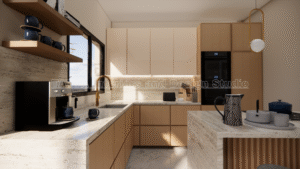
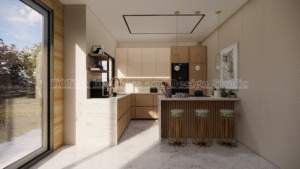
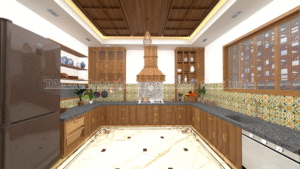
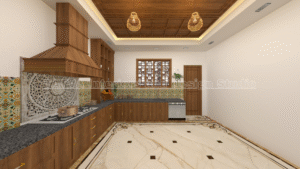
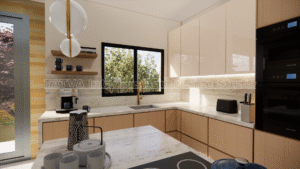
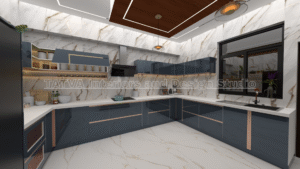
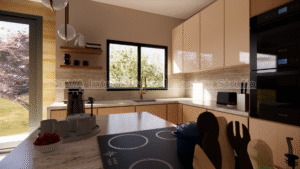
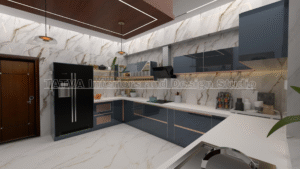
9. Check the Kitchen Design Experience
The kitchen is one of the most frequently used spaces in a home.
When evaluating an interior designer, look at their kitchen projects.
Check whether they understand:
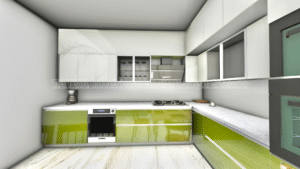
- L-shaped kitchens
- U-shaped kitchens
- Straight kitchens
- Parallel kitchens
- Island kitchens
- Storage planning
- Appliance placement
- Kitchen ergonomics
- Hardware
- Countertop planning
A good kitchen should not only look attractive.
It should also make everyday cooking and storage convenient.
If you’re planning a modular kitchen as part of your home interiors, discuss the storage requirements and cooking habits with your designer before finalizing the layout.
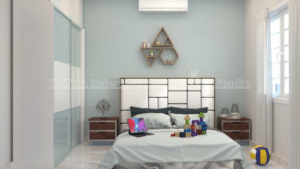
10. Check Bedroom and Storage Planning
Bedrooms should be designed around how you actually live.
A good bedroom design should consider:
- Bed size
- Wardrobe capacity
- Dressing requirements
- Bedside storage
- Study area
- TV unit if required
- Lighting
- Circulation
Storage is particularly important in Indian homes.
Before approving the wardrobe design, discuss what you need to store.
For example:
- Clothes
- Sarees
- Shoes
- Bags
- Accessories
- Suitcases
- Seasonal items
The internal wardrobe design can be just as important as the external appearance.
11. Ask How the Designer Handles Customization
Your home should not look like a copy of a showroom.
A professional designer should understand your:
- Lifestyle
- Family requirements
- Storage needs
- Preferred colours
- Design style
- Budget
- Daily habits
For example, a family with children may need different storage solutions from a couple living in a compact apartment.
Similarly, someone who works from home may need a dedicated study or workstation.
Customization should solve a real requirement rather than simply increase the cost.
12. Check Communication and Transparency
Interior projects involve many decisions.
Good communication can make the process much easier.
Ask:
- Who will be your point of contact?
- How often will updates be provided?
- How are design changes handled?
- How are material selections approved?
- How are additional costs communicated?
- Who coordinates the site?
A transparent process helps prevent misunderstandings.
13. Ask About Project Timelines
Before starting, ask for an approximate project timeline.
The timeline can depend on:
- Design approvals
- Material availability
- Manufacturing
- Site readiness
- Civil work
- Electrical work
- Carpentry
- Installation
- Finishing
A realistic timeline is better than an unrealistic promise.
Ask the designer what happens if there are delays and how the project schedule is managed.
14. Check Reviews and Client Feedback
Reviews can help you understand the experience of previous customers.
However, don’t look only at the star rating.
Read the actual comments.
Look for feedback about:
- Design quality
- Communication
- Execution
- Timelines
- Material quality
- Responsiveness
- Final results
If possible, look for reviews related to projects similar to yours.
15. Visit or Study Completed Projects
If possible, ask about completed projects.
Seeing a completed interior can help you understand the quality of:
- Carpentry
- Finishes
- Hardware
- Lighting
- Installation
- Detailing
Photographs are useful, but real completed projects can provide additional confidence.
For example, you can explore individual projects in the Tatva project portfolio.
16. Check Whether the Designer Understands Your Budget
A good interior designer should understand your budget before developing the final design.
Tell the designer your approximate investment range.
This helps determine:
- Material quality
- Furniture scope
- Finish selection
- Hardware
- Customization
- Design complexity
For example, a homeowner with a practical budget may prioritize functionality and storage, while someone with a premium budget may want more customized furniture and luxury finishes.
The objective should be to use the available budget intelligently.
17. Don’t Choose an Interior Designer Only Because of Instagram
Instagram can be useful for discovering designers, but it should not be your only selection criteria.
A beautiful Reel does not tell you:
- How the project was executed
- What materials were used
- Whether the quotation was transparent
- How communication was handled
- Whether the project was completed properly
Use social media to discover companies, but use their portfolio, process, reviews and communication to evaluate them.
18. Ask About Design Revisions
Before starting the design process, understand how revisions are handled.
Ask:
- How many design options are provided?
- How many revisions are included?
- Are 3D changes included?
- What happens if the layout changes?
- Are major changes charged separately?
Clear expectations at the beginning can prevent disagreements later.
19. Understand the Execution Scope
If you are choosing a turnkey interior company, ask exactly what execution includes.
Depending on the project, it may involve:
- Modular furniture
- Carpentry
- Electrical
- Painting
- False ceiling
- Flooring
- Plumbing-related work
- Installation
- Lighting
- Final finishing
The scope should be clearly mentioned in the quotation.
20. Look for One Team From Design to Handover
Managing several different contractors can become difficult.
You may have to coordinate:
- Carpenter
- Electrician
- Painter
- False ceiling contractor
- Furniture supplier
- Kitchen vendor
- Installer
A company providing design and execution under one roof can simplify this coordination.
Tatva’s approach is built around:
Design → Visualize → Build → Deliver
This gives the homeowner a more coordinated experience throughout the project.
Why Choose Tatva Interiors & Design Studio?
Tatva Interiors & Design Studio combines interior design, 2D planning, 3D visualization and execution to provide an end-to-end approach for residential and commercial projects.
Our services include:
- Complete home interiors
- Residential interior design
- Commercial interiors
- Modular kitchen design
- Wardrobe design
- Custom furniture
- 2D floor planning
- 3D modelling and rendering
- Elevation design
- Turnkey interior execution
We focus on creating spaces that balance aesthetics, functionality and practical execution.
You can contact Tatva Interiors & Design Studio to discuss your requirements and explore the right approach for your project.
Interior Design Projects by Tatva
A portfolio is one of the best ways to understand a designer’s approach.
Our projects include different types of residential and commercial spaces.
For example, you can explore our Zion Hills Villa project to see how a villa design is approached.
You can also explore the complete Tatva project portfolio for more examples.
Frequently Asked Questions
How do I choose the best interior designer in Bangalore?
Look at the designer’s portfolio, experience, design process, material specifications, quotation, reviews, communication and execution capability. Choose a company that understands your requirements rather than simply selecting the lowest quotation.
How much does an interior designer charge in Bangalore?
Interior design costs vary depending on the size of the home, scope, design requirements and whether execution is included. A personalized quotation is more useful than relying on a general price.
Should I choose design-only or turnkey interiors?
If you want to manage contractors yourself, design-only may be suitable. If you prefer one company to coordinate design and execution, turnkey interiors can provide a more integrated process.
How important is 3D visualization?
3D visualization helps homeowners understand colours, materials, furniture, lighting and the overall design before execution.
What should I ask an interior designer before hiring them?
Ask about their portfolio, design process, materials, hardware, quotation, execution scope, timeline, revisions, communication and warranty or post-project support.
Can an interior designer customize my home?
Yes. Professional interior design can be customized according to your home’s dimensions, lifestyle, storage requirements, preferred style and budget.
Does Tatva Interiors provide execution?
Yes. Tatva Interiors & Design Studio provides both interior design and execution services for residential and commercial projects.
Final Thoughts
Choosing the best interior designer in Bangalore is not about finding the company with the most attractive photograph or the lowest quotation.
It is about finding a team that understands your requirements, provides a clear design process, communicates transparently, specifies materials properly and can deliver the agreed scope.
Before making your decision, compare portfolios, understand quotations, review materials and ask detailed questions about execution.
Most importantly, choose an interior design company that can turn your requirements into a home that is both beautiful and practical.
If you’re planning your home interiors, speak with Tatva Interiors & Design Studio to discuss your design, budget and execution requirements.
Design. Build. Deliver. Under one roof.
Book a consultation with Tatva Interiors & Design Studio.