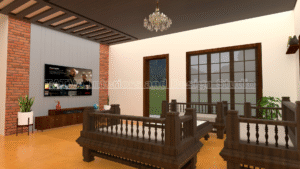
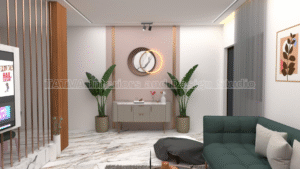
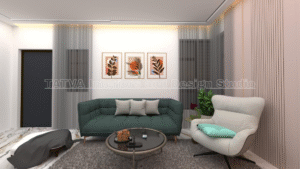
Budget Interior Design for Homes in Bangalore
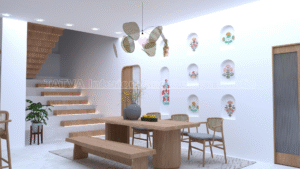
Creating a beautiful home does not always require a large interior budget. With careful planning, practical materials, smart furniture choices, and a clear design direction, you can create a home that feels stylish without unnecessary spending.
The key to successful budget interior design for homes in Bangalore is not choosing the cheapest option for everything. Instead, it is about understanding where your money creates the most value.
A well-planned home can look sophisticated even when the budget is controlled. Good proportions, coordinated colours, efficient storage, suitable lighting, and practical furniture often have a greater visual impact than expensive finishes.
Whether you are designing a new apartment, renovating a 2BHK, planning a 3BHK, or furnishing an independent home, the same principle applies: plan first, prioritize carefully, and spend where it matters.
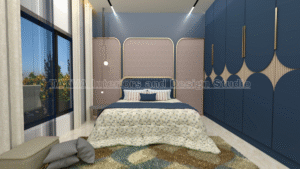
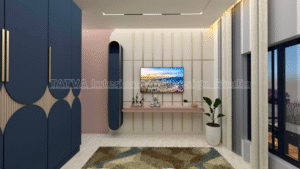
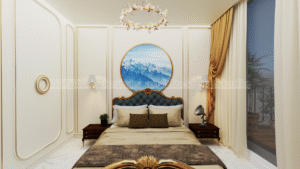
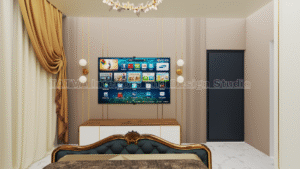
At Tatva Interiors & Design Studio, home interiors can be developed through space planning, 2D and 3D floor plans, interior design, modular kitchen design, custom furniture, and 3D visualization. You can explore the Services page for more information.

Start With a Realistic Budget
Before choosing colours, materials, or furniture, decide how much you can comfortably invest in the interior.
Divide your budget into major categories such as:
- Kitchen
- Wardrobes
- Furniture
- Lighting
- False ceiling
- Electrical work
- Wall finishes
- Storage
- Décor
- Design services
This gives you a clearer understanding of where the money will go.
For example, you may decide to invest more in the kitchen and wardrobes because they receive frequent use. At the same time, you can keep decorative elements simpler.
Therefore, budget planning should happen before material selection.
Prioritize Your Requirements
Not every interior element has the same importance.
Make three lists:
Essential: Items you need for everyday living.
Useful: Items that improve convenience.
Decorative: Items that mainly improve appearance.
For example, a wardrobe is essential if you need storage. A decorative wall panel may be optional.
Therefore, complete essential requirements first before spending on decorative upgrades.
Plan the Layout Before Buying Furniture
Good space planning can reduce unnecessary expenses.
Measure each room and determine where the major furniture will go.
Consider the:
- Sofa
- Bed
- Dining table
- Wardrobe
- TV unit
- Study table
- Kitchen cabinets
- Storage units
This can help you avoid buying furniture that is too large or unsuitable for the room.
Therefore, a proper 2D layout can save money before you spend it.
You can explore Tatva’s 2D & 3D Floor Plan Design Services.
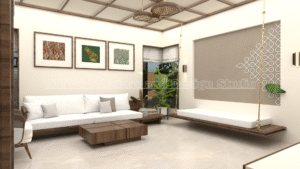
Choose a Simple Interior Style
Complex interiors often require more materials and detailing.
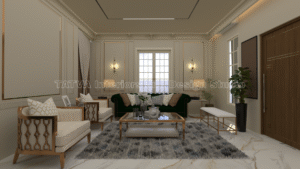
A simple modern or contemporary style can create a sophisticated appearance with fewer elements.
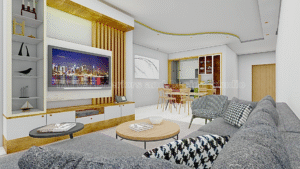
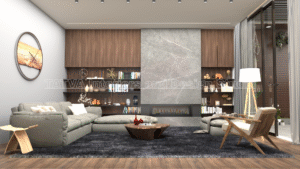
Clean furniture, neutral walls, simple cabinetry, wood accents, and good lighting can create a strong visual result.
Therefore, simplicity can be one of the most effective ways to control an interior budget.
Use Neutral Colours as Your Base
Neutral colours are flexible and easy to coordinate.
Consider:
- Warm ivory
- Beige
- Cream
- Soft grey
- Greige
- Light taupe
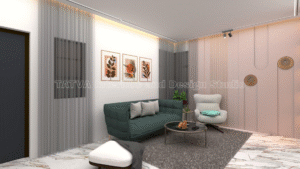
Then introduce accent colours through furniture, curtains, artwork, cushions, or selected feature walls.
Therefore, a neutral base can make the interior feel cohesive without requiring expensive finishes.
Create Affordable Feature Walls
You do not need premium materials on every wall.
Choose one important wall and give it additional attention.
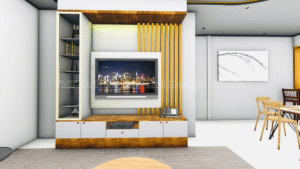
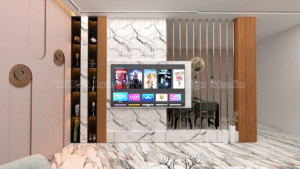
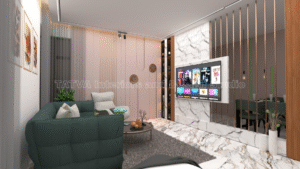
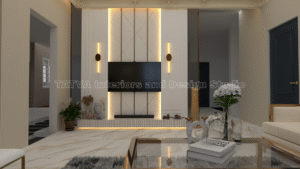
For example, you can create a feature wall behind the TV or bed using:
- Paint
- Wallpaper
- Laminate
- Fluted panels
- Textured paint
- Simple wood accents
Keep the remaining walls simple.
Therefore, selective detailing can create a premium appearance while controlling costs.
Use Paint Instead of Expensive Wall Treatments
Paint can completely change the mood of a room.
A carefully selected accent colour can create visual interest without major construction.
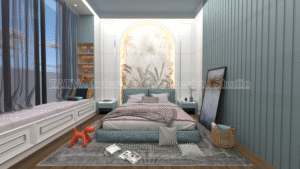
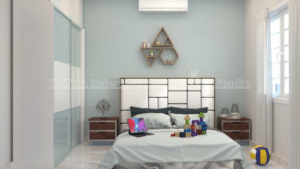
For example, sage green can add a natural character to a bedroom, while warm beige can create a sophisticated living room.
Therefore, use paint strategically before considering expensive wall finishes.
Select Materials Based on Value
The cheapest material is not always the best choice.
Instead, compare materials based on:
- Durability
- Appearance
- Maintenance
- Usage
- Availability
- Cost
For frequently used areas, a slightly better material may provide better long-term value.
Therefore, focus on value rather than the lowest initial price.
Use Laminates for a Practical Finish
Laminates can provide many colours, textures, and wood patterns.
They can work well for:
- Wardrobes
- TV units
- Kitchen shutters
- Study units
- Storage cabinets
They also allow you to create coordinated finishes across different areas of the home.
Therefore, laminates can be a practical choice for controlled-budget interiors.
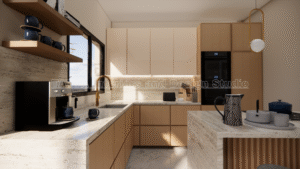
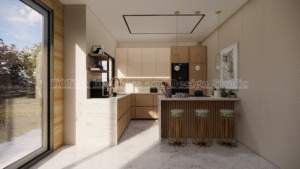
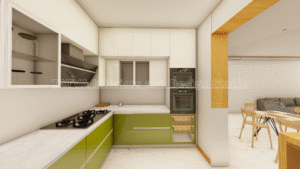
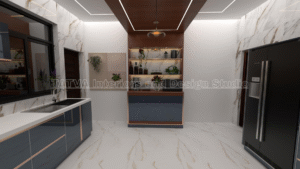
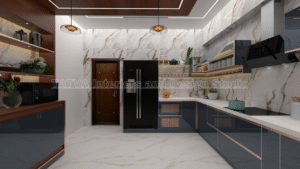
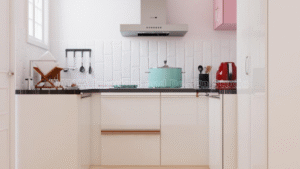
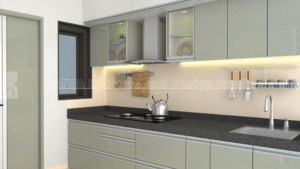
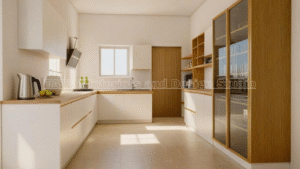
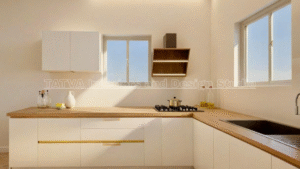
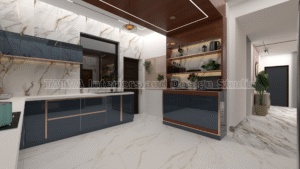
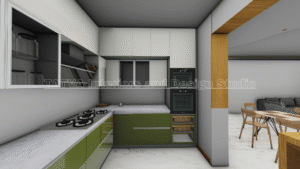
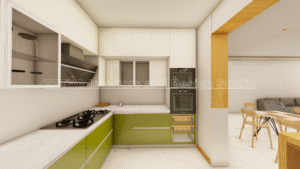
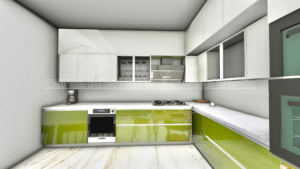
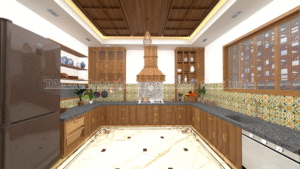
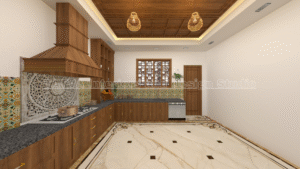
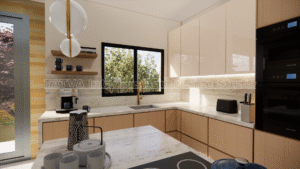
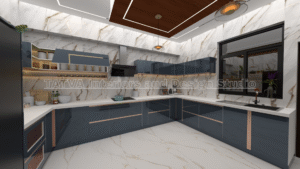
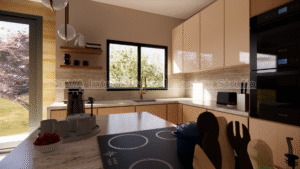
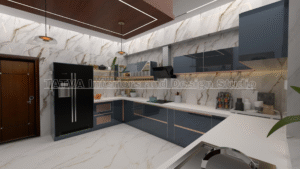
Plan a Budget-Friendly Modular Kitchen
The kitchen is usually one of the largest interior investments.
Start with the layout.
Depending on the available space, consider:
- Straight kitchen
- L-shaped kitchen
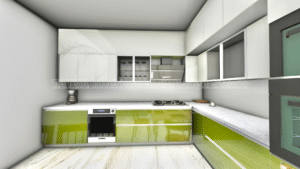
- U-shaped kitchen
- Parallel kitchen
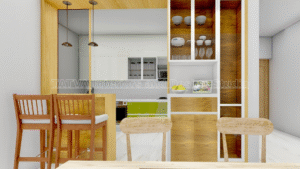
Do not add an island or breakfast counter unless the room has enough space.
Therefore, the layout should be based on functionality rather than trends.
You can explore Tatva’s Modular Kitchen Design Services.
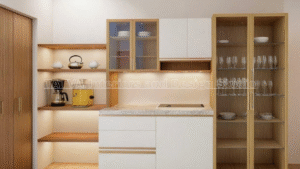
Prioritize Kitchen Storage
Good storage can make a budget kitchen feel much more functional.
Plan storage according to your actual cooking habits.
Useful options include:
- Drawers
- Tall units
- Pantry storage
- Corner cabinets
- Cutlery organizers
- Bottle storage
- Overhead cabinets
Avoid adding expensive accessories that you rarely use.
Therefore, invest in storage that solves a real problem.
Choose a Simple Kitchen Colour Combination
A simple kitchen palette can look elegant.
Consider:
White + light wood
for a bright appearance.
Warm beige + wood
for a warm contemporary style.
Sage green + wood
for a natural look.
Soft grey + white
for a clean modern appearance.
Therefore, two complementary finishes can often create enough visual interest.
Choose Practical Wardrobe Designs
Wardrobes are another major part of a home interior budget.
You do not need complicated external detailing to create a stylish wardrobe.
A simple full-height wardrobe with a practical internal layout can provide excellent storage.
Consider drawers, hanging sections, shelves, and loft storage according to your requirements.
Therefore, prioritize storage and usability over unnecessary decorative elements.
Use Full-Height Storage
Full-height cabinets can increase storage without increasing the floor footprint significantly.
The upper sections can store luggage, seasonal clothing, and items that are not used frequently.
Therefore, vertical storage can be particularly useful in apartments and compact homes.
Combine Standard and Custom Furniture
You do not need to customize every piece of furniture.
Standard furniture can work well when the room dimensions allow it.
Custom furniture becomes more valuable when you have:
- Awkward corners
- Limited wall space
- Specific storage requirements
- Unusual room dimensions
Therefore, combine ready-made and custom furniture according to the space.
Use Custom Furniture Where It Matters
Custom furniture can be particularly useful for TV units, wardrobes, study units, and storage.
However, avoid customizing an item simply because it is possible.
The customization should provide a clear benefit.
Therefore, use custom furniture strategically.
You can explore Tatva’s Custom Furniture Design Services.
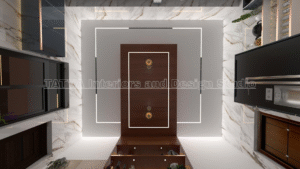
Keep the False Ceiling Simple
False ceilings can increase the project cost when they involve extensive detailing.
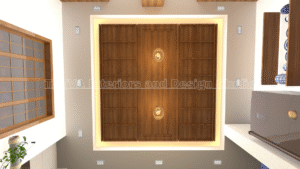
A simple ceiling with recessed lighting or profile lighting can still look elegant.
Reserve detailed ceiling designs for areas where they create a meaningful visual impact.
Therefore, simplify the ceiling before compromising important furniture or storage.
Use Lighting to Improve the Interior
Good lighting can make affordable materials look better.
Use:
- Ambient lighting
- Task lighting
- Accent lighting
- Decorative lighting
A simple wall can look much more attractive when illuminated correctly.
Therefore, lighting can be a high-impact design investment.
Avoid Too Many Decorative Lights
More lighting does not necessarily create a better interior.
Too many fixtures can increase costs and make the ceiling visually busy.
Instead, position lights according to the room’s function.
Therefore, focus on lighting quality and placement rather than quantity.
Choose Curtains Carefully
Curtains can add softness and colour to the interior.
You do not need expensive curtains to create an elegant appearance.
Choose fabrics and colours that complement the walls, flooring, and furniture.
Floor-length curtains can also make the room feel taller.
Therefore, simple curtains can provide significant visual impact.
Use Mirrors to Make Small Spaces Feel Larger
Mirrors can reflect light and create visual depth.
They can work well in:
- Entryways
- Living rooms
- Bedrooms
- Dressing areas
- Wardrobes
However, use them selectively.
Therefore, one well-placed mirror can be more effective than several decorative mirrors.
Use Indoor Plants as Affordable Décor
Plants can add life and colour to a neutral interior.
You can use a few plants in the living room, bedroom, balcony, or entrance.
Choose plants that suit the available natural light and your maintenance routine.
Therefore, greenery can be an affordable way to personalize your home.
Avoid Buying Décor Too Early
Decorative items are easier to purchase later.
First complete the major furniture, lighting, curtains, and storage.
Then identify the areas that genuinely need additional décor.
Therefore, delaying décor purchases can help prevent unnecessary spending.
Reuse Existing Furniture
If you already own furniture, consider whether it can be incorporated into the new design.
A sofa may only need new upholstery. A cabinet may look different with new handles or a fresh finish.
You can also reposition existing furniture.
Therefore, reuse can reduce the number of new purchases.
Use One Wood Finish Across Multiple Areas
Repeating one wood tone can create a coordinated interior.
You can use the same or similar finish on:
- TV unit
- Wardrobe
- Kitchen accents
- Study unit
- Bedside tables
Therefore, material repetition can create a designer appearance without requiring many different finishes.
Plan Electrical Points Before Installation
Electrical changes after furniture installation can become inconvenient.
Plan sockets according to the furniture and appliance positions.
Consider power points for:
- TV
- Bedside lamps
- Study desk
- Kitchen appliances
- Chargers
- Wi-Fi router
- Air conditioners
Therefore, early electrical planning can prevent unnecessary modifications later.
Plan the Interior Before Construction or Renovation
Early interior planning can reduce changes later.
Coordinate the:
- Furniture layout
- Kitchen
- Wardrobes
- Electrical points
- Lighting
- Plumbing
- Ceiling
- Flooring
This approach can prevent expensive changes after construction is complete.
Therefore, planning early is one of the simplest ways to control the overall budget.
Use 3D Visualization Before Finalizing Materials
3D visualization allows you to see the complete design before committing to materials.
You can compare different:
- Colours
- Furniture
- Kitchen finishes
- Wardrobes
- Flooring
- Lighting
- Feature walls
This can help you identify combinations that do not work before purchasing materials.
Therefore, visualization can reduce design mistakes and unnecessary spending.
Explore Tatva’s 3D Visualization Services.
Spend More on Frequently Used Items
A controlled budget does not mean every component should have the lowest price.
Consider spending more on items that receive heavy daily use.
For example:
- Kitchen hardware
- Mattress
- Sofa
- Work chair
- Frequently used drawers
- Important lighting
You can save on decorative elements that have less functional importance.
Therefore, spend according to usage.
Avoid Following Every Trend
Trends can be useful for inspiration, but they can also become outdated.
Create a timeless base with neutral colours, simple furniture, and practical materials.
Then introduce current trends through easily replaceable items.
Therefore, use trends selectively to protect your long-term investment.
Think About Maintenance
Consider how easy each material will be to clean and maintain.
Glossy surfaces can show fingerprints. Open shelves can collect dust. Certain textured surfaces may need more care.
Therefore, choose materials based on your lifestyle rather than appearance alone.
How Much Does Budget Interior Design Cost in Bangalore?
There is no fixed price for budget interior design because every home has different requirements.
The final cost depends on the home size, number of rooms, materials, kitchen specifications, wardrobes, furniture, hardware, lighting, customization, and design scope.
For example, a compact 2BHK with practical finishes will require a different budget from a large 3BHK with extensive custom furniture.
Therefore, online price ranges should only be used as broad planning references.
The best approach is to prepare an itemized scope and compare exactly what each quotation includes.
How to Make a Budget Interior Look Premium
You do not need premium materials everywhere.
Instead, focus on design fundamentals.
Use Good Proportions
Furniture should be appropriately sized for the room.
Maintain a Consistent Palette
Use a controlled combination of colours and materials.
Create One or Two Focal Points
Invest more in important visual areas.
Use Good Lighting
Lighting can highlight even simple finishes.
Keep Storage Organized
Hidden clutter makes the entire interior feel cleaner.
Avoid Excessive Decoration
Leave enough visual breathing space.
Therefore, design coordination can create a premium appearance even with controlled spending.
Common Budget Interior Design Mistakes
Trying to reduce costs by skipping space planning can create larger expenses later.
Choosing the cheapest material without considering durability can also increase long-term costs.
Buying furniture before checking room dimensions can lead to unnecessary replacements.
Using too many finishes can increase both the budget and visual clutter.
Finally, spending heavily on décor while ignoring storage or lighting can reduce the overall functionality of the home.
Therefore, budget planning should always consider the complete interior.
Step-by-Step Budget Interior Design Process
Step 1: Set Your Budget
Decide how much you can comfortably invest.
Step 2: List Your Requirements
Identify essential furniture, storage, kitchen, lighting, and other needs.
Step 3: Create a 2D Layout
Plan furniture and circulation before purchasing.
Step 4: Prioritize Your Spending
Decide where premium specifications provide the most value.
Step 5: Select the Design Style
Choose a simple and cohesive design direction.
Step 6: Select Materials
Compare options based on cost, durability, appearance, and maintenance.
Step 7: Develop the 3D Design
Visualize the complete interior before finalizing major purchases.
Step 8: Compare Quotations
Compare materials, hardware, scope, and services instead of only the total price.
Step 9: Finalize the Design
Confirm the complete design before ordering materials or furniture.
Frequently Asked Questions
How can I design my home on a budget?
Start with proper planning, prioritize essential areas, use practical materials, select appropriately sized furniture, and avoid unnecessary decorative work.
What is the best way to reduce interior costs?
Reduce unnecessary furniture and decorative elements, use standard furniture where suitable, select materials carefully, and plan the interior before construction or renovation.
Can a budget home interior look luxurious?
Yes. Good proportions, coordinated colours, clean storage, suitable lighting, and selected focal points can create a premium appearance without expensive materials everywhere.
Should I choose custom furniture for a budget interior?
Use custom furniture where it solves a specific space or storage problem. Standard furniture can work well when the dimensions are suitable.
Is modular kitchen design affordable?
Yes. A modular kitchen can be designed according to your space and budget. The cost depends on materials, hardware, storage, layout, and customization.
How can I save money on wardrobes?
Choose simple shutter designs, practical internal storage, and finishes that provide good durability and appearance without unnecessary detailing.
Is 3D visualization useful for budget projects?
Yes. It can help you compare options before spending money on materials, furniture, and finishes.
Should I spend more on materials or décor?
Prioritize durable materials and frequently used elements first. Décor can be added gradually as your budget allows.
Final Thoughts
The best budget interior design for homes in Bangalore comes from smart planning rather than simply reducing costs.
Start with your floor plan. Understand your lifestyle. Prioritize the kitchen, wardrobes, furniture, lighting, and storage that you use every day. Choose practical materials and keep decorative elements selective.
A controlled budget can still produce a beautiful home when the design has good proportions, consistent colours, effective lighting, and organized storage.
At Tatva Interiors & Design Studio, you can explore Interior Design Services, 2D & 3D Floor Plans, 3D Visualization, Modular Kitchen Design, and Custom Furniture Design.
You can also explore the Tatva Portfolio or Contact Tatva Interiors & Design Studio to discuss your project.
Smart budgeting does not mean compromising on design. It means spending where it matters.