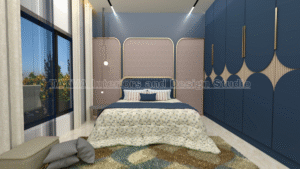
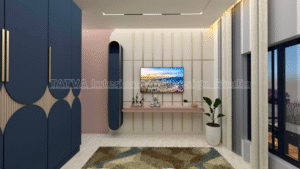
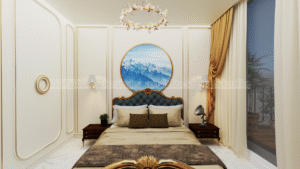
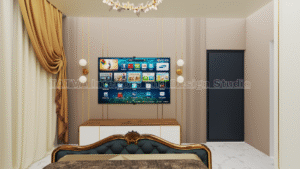
How to Choose an Interior Designer in Bangalore
Choosing the right interior designer is an important decision when planning a home or commercial space. A good designer can help you use the available space effectively, create a practical layout, select suitable materials, and develop a cohesive visual style.
However, choosing an interior designer should involve more than looking at photographs on social media. You should also understand the designer’s process, services, portfolio, communication style, design approach, and pricing.
If you are searching for how to choose an interior designer in Bangalore, this guide will help you understand the key factors to consider before making your decision.
Bangalore has many interior design professionals and studios. Their services, design styles, pricing structures, and project scopes can vary considerably.
Therefore, comparing designers based on the complete value they provide is more useful than comparing prices alone.
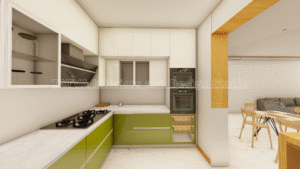
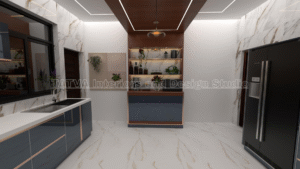
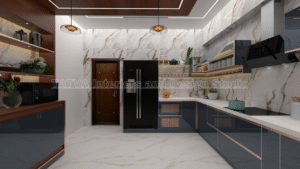
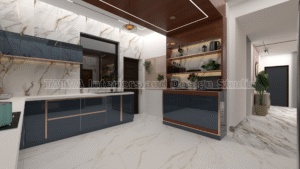
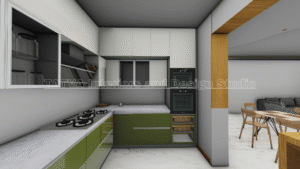
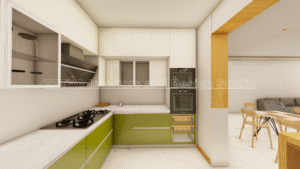
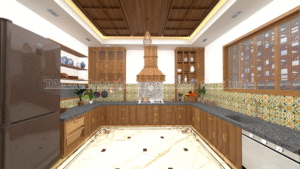
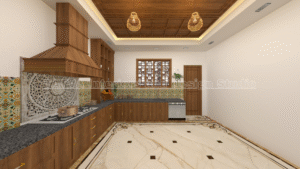
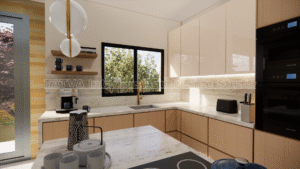
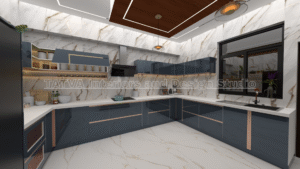
At Tatva Interiors & Design Studio, we focus on design solutions including space planning, 2D and 3D floor plans, interior design, modular kitchen design, custom furniture design, and 3D visualization. You can explore our Services page to understand our design capabilities.

Understand What You Need First
Before contacting an interior designer, identify what you actually need.
Your requirements may include:
- Complete home interior design
- Apartment interior design
- Villa interior design
- Living room design
- Bedroom design
- Modular kitchen design
- Wardrobe design
- Custom furniture
- 2D floor plans
- 3D visualization
- Commercial interior design
You may also need only design services rather than a complete execution package.
Therefore, understanding your requirements first will make it easier to find a designer who offers the right service.
Check the Interior Designer’s Portfolio
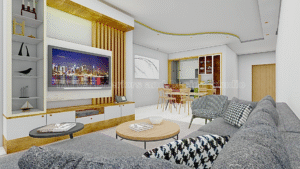
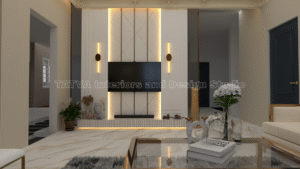
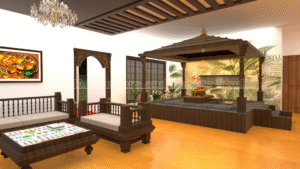
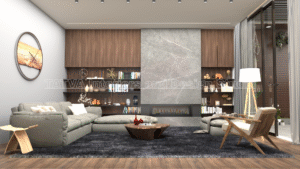
A portfolio is one of the most useful ways to understand a designer’s work.
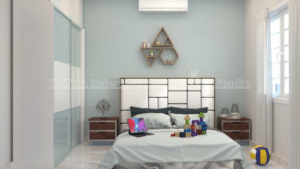
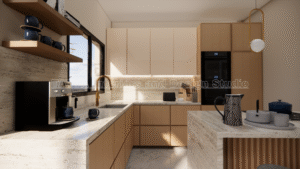
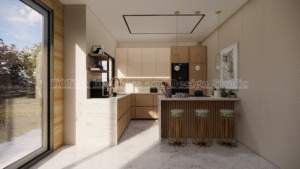
Look at completed projects rather than focusing only on individual renders.
Check whether the designer has experience with spaces similar to yours.
For example, if you are designing a 3BHK apartment, look for apartment projects with similar layouts.
Pay attention to:
- Space planning
- Furniture proportions
- Material combinations
- Lighting
- Colour selection
- Storage solutions
- Overall detailing
Therefore, a portfolio can help you understand whether the designer’s approach matches your expectations.
You can explore the Tatva Interiors & Design Studio Portfolio to view our design work.
Look Beyond Attractive 3D Renders
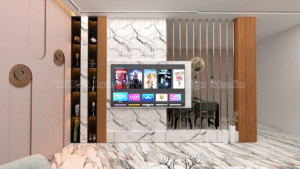
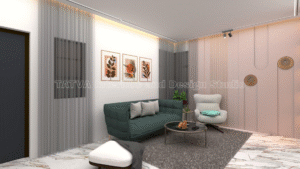
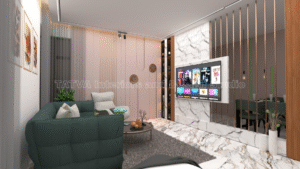
Beautiful 3D renders can create a strong first impression.
However, a good interior design involves much more than visualization.
The designer should also understand practical requirements such as furniture dimensions, circulation, storage, electrical points, materials, and lighting.
Therefore, ask what design documentation is provided along with the visual presentation.
Ask About the Design Process
Every professional designer should have a clear process.
A typical design process may include:
- Initial discussion
- Requirement analysis
- Site or floor plan study
- Space planning
- Concept development
- 2D drawings
- Material selection
- 3D visualization
- Design revisions
- Final design documentation
The exact process can differ between studios.
Therefore, ask the designer to explain the process before starting.
Check Whether 2D Drawings Are Included
3D visuals show how the space may look, but 2D drawings provide important technical information.
Depending on the project, drawings may include:
- Furniture layouts
- Floor plans
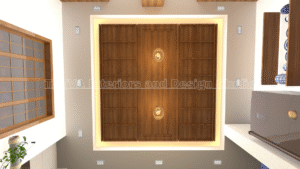
- Ceiling plans
- Electrical layouts
- Lighting layouts
- Kitchen layouts
- Wardrobe details
- Furniture details
Therefore, ask which drawings are included in the design package.
You can explore Tatva’s 2D & 3D Floor Plan Design Services.
Understand the 3D Visualization Process
3D visualization can help you understand the proposed design before finalizing it.
You can review:
- Furniture
- Colours
- Flooring
- Wall treatments
- Kitchen finishes
- Wardrobes
- Lighting
- Décor
This makes it easier to compare design options.
Therefore, ask whether 3D visualization is included and how many views or revisions are provided.
Explore Tatva’s 3D Visualization Services.
Ask About Design Revisions
Design revisions are a normal part of the design process.
You may want to change a colour, furniture arrangement, material, or feature wall after seeing the initial concept.
Therefore, ask how revisions are handled.
Find out:
- How many revisions are included?
- What counts as a revision?
- Are major layout changes charged separately?
- At what stage is the design considered final?
A clear revision policy can prevent misunderstandings.
Understand the Pricing Structure
Interior designers may charge in different ways.
Some may charge:
- Per square foot
- Per room
- Fixed design fee
- Package price
- Project-based fee
The right pricing structure depends on the project scope.
Therefore, do not compare quotations based only on the final amount.
Instead, compare what each designer provides for that amount.
Compare Scope, Not Just Price
Two interior designers may quote different prices for what appears to be the same project.
However, one quotation may include detailed drawings and 3D visualization, while another may include only basic design concepts.
Therefore, compare:
- Number of drawings
- Number of 3D views
- Design revisions
- Material specifications
- Furniture design
- Kitchen design
- Wardrobe design
- Lighting plans
- Ceiling plans
- Documentation
This provides a more accurate comparison.
Ask What Is Included and Excluded
A professional quotation should clearly state the scope.
Ask whether the price includes:
- Design fees
- Drawings
- 3D visualization
- Material selection
- Furniture design
- Site visits
- Revisions
- Consultation
Also ask what is excluded.
Therefore, a detailed scope can prevent confusion later.
Decide Whether You Need Design or Execution
This is an important distinction.
Some homeowners need only professional design services.
Others may want a company to manage the complete execution.
If you only need design, look for a studio that clearly provides design-focused services.
If you require execution, confirm exactly what the company manages.
Therefore, choose a service model that matches your actual requirements.
Check Material Knowledge
An interior designer should understand how materials perform in different spaces.
Ask about materials suitable for:
- Kitchen cabinets
- Wardrobes
- TV units
- Bedrooms
- Bathrooms
- Furniture
- Wall treatments
The designer should be able to explain the advantages and limitations of different options.
Therefore, material knowledge is an important part of professional interior design.
Ask About Hardware Recommendations
Hardware can affect both usability and durability.
Kitchen and wardrobe hardware may include:
- Hinges
- Drawer channels
- Tandem drawers
- Pull-outs
- Lift-up mechanisms
- Sliding systems
You do not always need premium hardware everywhere.
Therefore, a good designer should help you select hardware according to usage and budget.
Check Whether the Designer Understands Your Budget
A professional designer should understand your budget before developing the design.
This helps determine:
- Material selection
- Furniture specifications
- Hardware
- Lighting
- Wall treatments
- Customization
You should be able to discuss your priorities openly.
Therefore, budget communication should happen early rather than after the design is complete.
Look for Good Space Planning
Good design is not only about appearance.
The space should be comfortable to use.
Check whether the proposed layout provides enough room around:
- Sofa
- Dining table
- Bed
- Wardrobe
- Kitchen counters
- Doors
- Passageways
Therefore, space planning should be one of the first things you evaluate.
Ask How Storage Will Be Planned
Storage is one of the most important parts of a home interior.
A good designer should understand what you need to store and where those items are used.
Storage may include:
- Wardrobes
- Kitchen cabinets
- Pantry units
- Shoe cabinets
- TV storage
- Study storage
- Utility storage
Therefore, storage should be planned according to your lifestyle.
Evaluate Communication
Good communication can make the design process easier.
Your designer should listen to your requirements and explain recommendations clearly.
They should also communicate changes, timelines, design decisions, and revisions.
Therefore, choose a designer who makes you comfortable asking questions.
Check Whether the Designer Understands Your Style
You may prefer:
- Modern interiors
- Contemporary interiors
- Minimalist design
- Classic interiors
- Luxury interiors
- Warm neutral interiors
Share reference images if you have them.
A good designer should understand what you like while also explaining what will work in your space.
Therefore, the best result usually comes from collaboration between the homeowner and designer.
Look for Customized Design Solutions
Every home has different dimensions and requirements.
A designer should not simply repeat the same design in every project.
For example, one apartment may need extensive storage, while another may need a home office.
Therefore, look for solutions that respond to your actual space.
Ask About Custom Furniture
Custom furniture can help when standard products do not fit your space.
It can be useful for:
- TV units
- Wardrobes
- Study units
- Beds
- Crockery units
- Shoe cabinets
- Storage
However, customization should solve a specific problem.
Therefore, ask the designer where custom furniture would genuinely improve your home.
Explore Custom Furniture Design Services.
Check the Designer’s Approach to Lighting
Lighting can dramatically affect an interior.
A good design should consider:
Ambient lighting for general illumination.
Task lighting for work areas.
Accent lighting for feature elements.
Decorative lighting for visual impact.
Therefore, ask whether lighting is included in the design and how it will be planned.
Ask About Electrical Planning
Electrical planning should follow the furniture layout.
Ask whether the designer provides electrical recommendations or drawings.
Points may be needed for:
- TV
- Bedside charging
- Kitchen appliances
- Study equipment
- Air conditioners
- Wi-Fi
- Decorative lights
Therefore, electrical planning can help prevent inconvenient changes later.
Consider Maintenance
An interior may look beautiful in a presentation but still be difficult to maintain.
Ask how different materials will perform in everyday use.
For example, open shelves may require more cleaning, while some glossy surfaces may show fingerprints.
Therefore, material selection should consider your lifestyle and maintenance preferences.
Check Reviews Carefully
Reviews can provide useful insights into communication, professionalism, and client experience.
However, do not rely on reviews alone.
Look at the portfolio, service scope, design process, and communication before making your decision.
Therefore, consider multiple factors together.
Meet or Speak With the Designer
A conversation can tell you a lot about the working relationship.
Discuss:
- Your requirements
- Budget
- Timeline
- Design style
- Scope
- Expectations
Notice whether the designer listens carefully or immediately pushes a fixed solution.
Therefore, communication during the first discussion can help you evaluate compatibility.
Ask the Right Questions Before Hiring
Before finalizing your interior designer, ask:
- What services do you provide?
- What is included in the design fee?
- Are 2D drawings included?
- Are 3D views included?
- How many revisions are included?
- Do you design modular kitchens?
- Do you design wardrobes?
- Do you provide custom furniture designs?
- Are material specifications included?
- Are electrical and ceiling plans included?
- What is excluded?
- What is the expected timeline?
Therefore, asking detailed questions can help you make a more informed decision.
Red Flags to Watch For
Be cautious if a designer:
- Gives an unclear quotation
- Avoids explaining the scope
- Promises unrealistic results
- Cannot show relevant work
- Does not discuss your requirements
- Changes the price without explanation
- Provides no clear revision process
- Uses only generic designs
Therefore, transparency should be an important part of your selection process.
Do Not Choose Only Based on the Lowest Price
Price matters, but it should not be the only deciding factor.
A very low quotation may exclude important services or specifications.
A higher quotation may include more detailed drawings, better design development, additional revisions, or a broader scope.
Therefore, compare value, scope, experience, and communication along with price.
Do Not Choose Only Based on Instagram
Social media can be useful for discovering designers and seeing design inspiration.
However, it may not show the complete design process.
Look for a proper portfolio, website, project information, and clear service details.
Therefore, use social media as one source of information rather than your only deciding factor.
Why a Professional Interior Designer Can Add Value
An interior designer can help you make better decisions about the available space.
They can coordinate:
- Space planning
- Furniture
- Colours
- Materials
- Storage
- Lighting
- Kitchen
- Wardrobes
- 3D visualization
This can make the design process more structured.
Therefore, professional design can help turn your ideas into a coordinated interior.
How to Choose an Interior Designer for a 2BHK
For a 2BHK, look for a designer who understands compact and medium-sized apartment layouts.
Check their experience with:
- Living rooms
- Modular kitchens
- Master bedrooms
- Guest bedrooms
- Wardrobes
- Storage
- Small spaces
Therefore, relevant project experience can be more useful than simply choosing a designer with a large portfolio.
How to Choose an Interior Designer for a 3BHK
A 3BHK usually involves more rooms and greater coordination.
Look for experience with:
- Multiple bedrooms
- Larger living areas
- Dining spaces
- Kitchens
- Home offices
- Custom storage
- Complete colour coordination
Therefore, the designer should be able to maintain consistency across several rooms.
How to Choose an Interior Designer for a Villa
Villa interiors can involve larger spaces and more complex requirements.
You may need:
- Large living rooms
- Multiple bedrooms
- Staircase areas
- Double-height spaces
- Custom furniture
- Extensive storage
- Lighting design
Therefore, look for a designer who has experience working with larger spaces if your project is a villa.
How to Choose a Commercial Interior Designer
Commercial interiors have different requirements from residential projects.
The designer may need to consider:
- Brand identity
- Customer movement
- Display areas
- Seating
- Lighting
- Functionality
- Space efficiency
Therefore, commercial projects require a designer who understands the specific needs of business spaces.
You can explore the Tatva Portfolio to see examples of design work.
Final Checklist Before Hiring
Before making your final decision, check these points:
Portfolio: Does the design style match your expectations?
Experience: Has the designer worked on similar spaces?
Services: Does the designer provide what you need?
Drawings: Are 2D and technical drawings included?
3D: Is visualization included?
Materials: Are material recommendations provided?
Budget: Is the pricing clear?
Revisions: Is the revision policy explained?
Communication: Are your questions answered clearly?
Scope: Are inclusions and exclusions documented?
Therefore, this checklist can help you compare designers more objectively.
Step-by-Step Guide to Choosing an Interior Designer
Step 1: Define Your Requirements
List the rooms, services, furniture, and design needs.
Step 2: Set Your Budget
Decide your approximate investment range.
Step 3: Shortlist Designers
Look for designers with relevant project experience.
Step 4: Review Portfolios
Compare design quality, style, and space planning.
Step 5: Discuss Your Project
Share your floor plan, requirements, preferences, and budget.
Step 6: Understand the Process
Ask about drawings, 3D visualization, revisions, and timelines.
Step 7: Compare Quotations
Compare the complete scope instead of only the final price.
Step 8: Check Communication
Choose someone who understands your requirements.
Step 9: Review the Agreement
Confirm inclusions, exclusions, fees, revisions, and deliverables.
Step 10: Make Your Decision
Choose the designer who offers the best combination of design quality, value, communication, and suitability.
Frequently Asked Questions
How do I choose an interior designer in Bangalore?
Start by defining your requirements and budget. Then compare portfolios, relevant experience, services, pricing, design process, communication, and project scope.
How much does an interior designer charge in Bangalore?
Charges vary based on project size, design scope, services, and pricing structure. Designers may charge a fixed fee, per-square-foot rate, per-room fee, or project-based amount.
Should I choose an interior designer based on price?
Price should be one factor, but not the only one. Compare the complete scope, design quality, experience, drawings, revisions, and services.
What should an interior design quotation include?
It should clearly explain the design scope, drawings, 3D visualization, revisions, furniture design, material specifications, fees, exclusions, and other agreed services.
Is a portfolio important when choosing an interior designer?
Yes. A portfolio helps you understand the designer’s style, space planning, material combinations, and ability to handle projects similar to yours.
Should I hire a designer before construction is complete?
Ideally, yes. Early design planning allows you to coordinate furniture, electrical points, lighting, kitchen, wardrobes, and other requirements.
Why is 3D visualization useful?
It helps you understand how colours, materials, furniture, lighting, and other elements will work together before finalizing the design.
How many interior designers should I compare?
There is no fixed number. Shortlist a few suitable designers and compare them based on relevant experience, scope, communication, and value rather than contacting a large number without clear criteria.
Final Thoughts
Knowing how to choose an interior designer in Bangalore can save you time, money, and unnecessary design changes.
Do not choose a designer based only on photographs or the lowest quotation. Look at the complete picture.
Review the portfolio. Understand the design process. Check the drawings and 3D visualization. Discuss your budget openly. Confirm the scope and revisions. Most importantly, choose someone who understands your lifestyle and design requirements.
The right interior designer should not simply make your home look attractive. They should help you create a space that is practical, comfortable, coordinated, and suited to the way you live.
At Tatva Interiors & Design Studio, you can explore Interior Design Services, 2D & 3D Floor Plans, 3D Visualization, Modular Kitchen Design, and Custom Furniture Design.
You can also explore the Tatva Portfolio, learn more About Tatva Interiors & Design Studio, or Contact Tatva Interiors & Design Studio to discuss your project.
The right designer does more than design a space. They help turn your requirements into a home that works for you.