Contemporary Home Interior Design in Bangalore
Contemporary home interiors combine comfort, clean design, practical layouts, and current materials. Unlike a fixed design style, contemporary interiors can evolve with changing preferences and lifestyles.
For homeowners, contemporary home interior design in Bangalore offers flexibility. You can combine warm wood finishes with neutral colours, simple furniture with textured walls, and modern lighting with comfortable fabrics.
The goal is not to make every element look identical. Instead, the interior should feel balanced, functional, and visually connected.
Whether you live in a compact apartment, 2BHK, 3BHK, independent house, or villa, contemporary design can adapt to the available space.
At Tatva Interiors & Design Studio, home interiors can be planned through space planning, 2D and 3D floor plans, interior design, modular kitchen design, custom furniture, and 3D visualization. You can explore the Services page for more information.

What Is Contemporary Interior Design?
Contemporary interior design focuses on what feels current and relevant today.
It often combines clean lines, comfortable furniture, natural materials, neutral colours, subtle textures, and carefully selected accents.
Unlike highly traditional interiors, contemporary spaces usually avoid excessive ornamentation. However, they can still feel warm and personal.
Common elements include:
- Clean furniture forms
- Neutral colour palettes
- Natural wood
- Textured surfaces
- Simple cabinetry
- Layered lighting
- Functional storage
- Minimal but meaningful décor
Therefore, contemporary design provides a balance between modern simplicity and everyday comfort.
Start With Proper Space Planning
Good space planning should come before colours and materials.
Begin by studying the room dimensions, doors, windows, columns, balconies, and other fixed elements.
Then plan the major furniture pieces.
For example, the living room may require a sofa, TV unit, coffee table, and dining area. Bedrooms may require beds, wardrobes, dressing units, and study areas.
Therefore, the furniture arrangement should support comfortable movement before decorative details are considered.
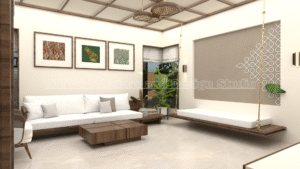
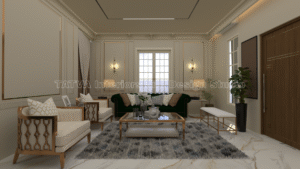
Create a Contemporary Living Room
The living room can establish the design language for the rest of the home.
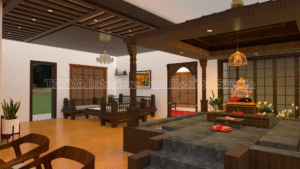
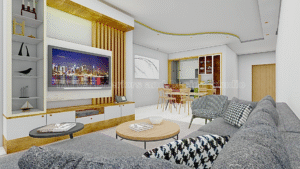
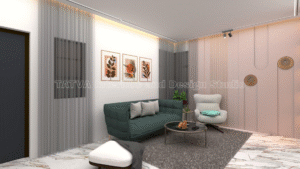
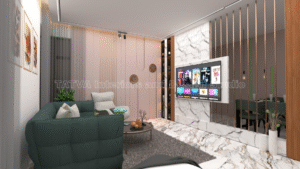
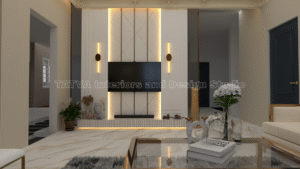
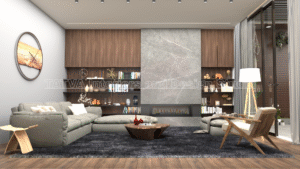
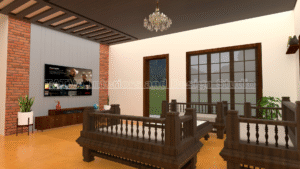
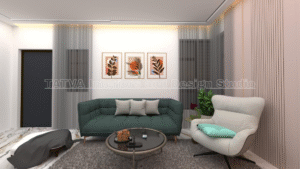
A contemporary living room can combine a comfortable sofa with a simple TV unit, textured wall, soft curtains, and layered lighting.
Use a neutral base and introduce contrast through furniture or selected décor.
For example, warm beige walls can work with walnut furniture and muted green accents.
Therefore, the living room should feel sophisticated without appearing overly formal.
Choose Comfortable Furniture
Contemporary interiors should not sacrifice comfort for appearance.
Choose sofas and chairs with practical proportions and comfortable upholstery.
A larger living room can accommodate an L-shaped sofa or a combination of seating.
A compact apartment may benefit from a streamlined three-seater sofa with one or two accent chairs.
Therefore, furniture should be selected according to both the room dimensions and how the family uses the space.
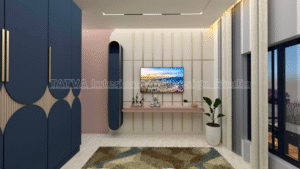
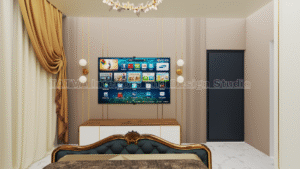
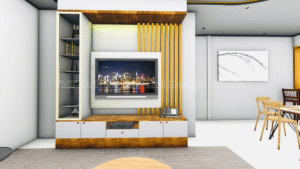
Design a Contemporary TV Unit
The TV wall can become an important focal point.
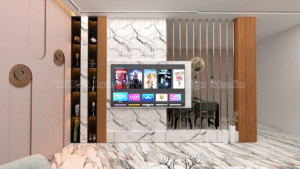
You can combine wood finishes, textured panels, laminates, fluted elements, or subtle lighting.
Closed storage can keep everyday items hidden, while a small amount of open shelving can display selected décor.
Avoid using too many finishes on the same wall.
Therefore, a simple combination of materials can create a more refined contemporary appearance.
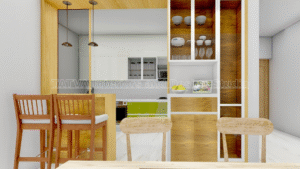
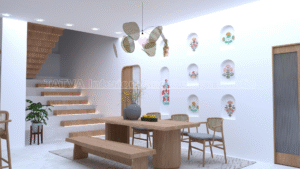
Plan the Dining Area
A contemporary dining area can remain simple and functional.
Choose a dining table that fits the available space while leaving enough room around the chairs.
A pendant light can provide a visual focal point above the table.
You can also add a compact crockery unit or artwork if the wall has enough space.
Therefore, the dining area should complement the living room without competing with it.
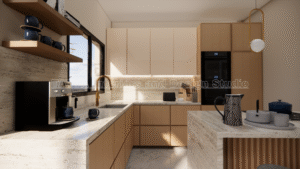
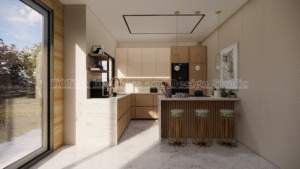
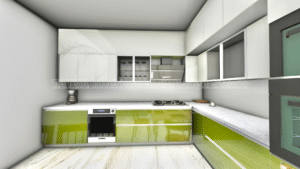
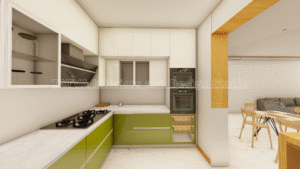
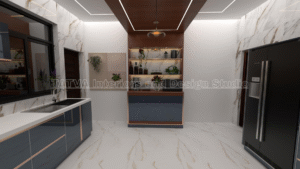
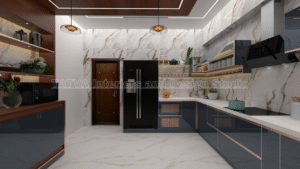
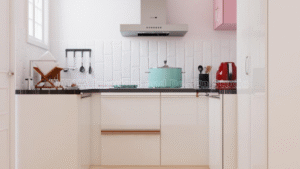
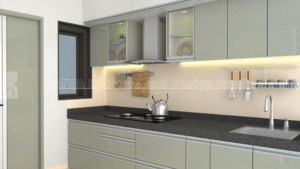
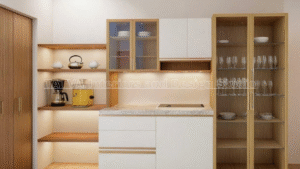
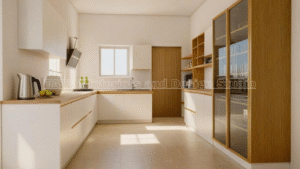
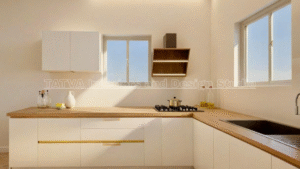
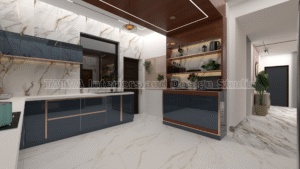
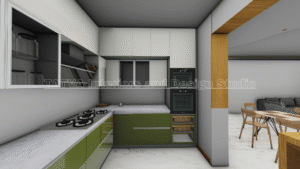
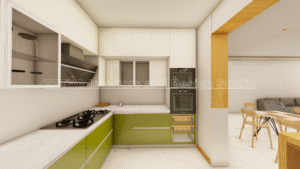
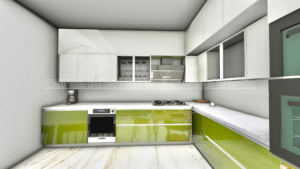
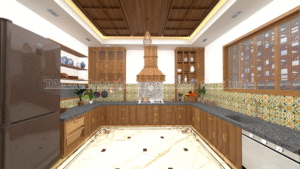
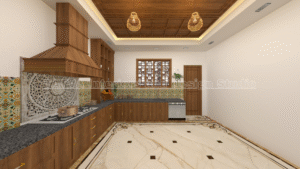
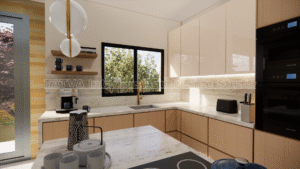
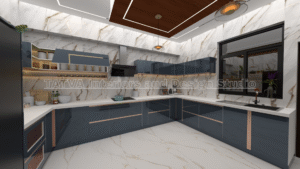
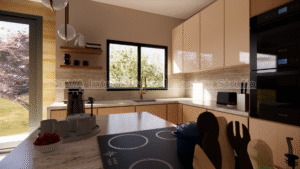
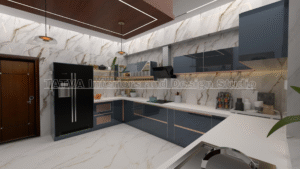
Design a Contemporary Modular Kitchen
The kitchen should combine appearance with practical storage.
Depending on the floor plan, consider a:
- Straight kitchen
- L-shaped kitchen
- U-shaped kitchen
- Parallel kitchen
- Island kitchen
Plan appliances before finalizing the cabinet layout.
Also consider drawers, pantry units, corner storage, tall units, and appliance storage.
Therefore, a contemporary kitchen should look clean while supporting everyday cooking.
You can explore Tatva’s Modular Kitchen Design Services.
Choose Contemporary Kitchen Colours
Contemporary kitchens often combine neutral colours with wood or selected accent shades.
Some combinations include:
Warm ivory + light oak
for a bright and natural appearance.
Beige + walnut
for a warm and sophisticated kitchen.
Soft grey + white
for a clean contemporary look.
Sage green + wood
for a softer natural character.
Navy blue + light wood
for stronger contrast.
Therefore, choose cabinet colours together with the countertop, backsplash, flooring, and lighting.
Use Textures Instead of Excessive Decoration
Contemporary interiors can gain depth through texture.
You can use:
- Fluted panels
- Wood grain
- Upholstery
- Stone textures
- Textured paint
- Matte laminates
- Ribbed glass
These materials can add visual interest without requiring excessive decoration.
Therefore, texture can be a useful alternative to complicated ornamentation.
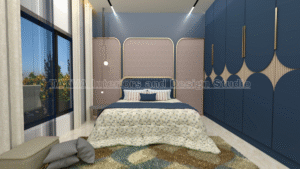
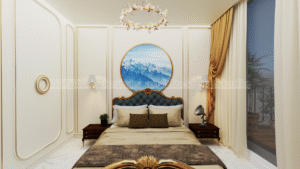
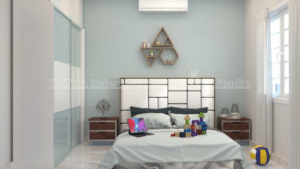
Create a Warm Contemporary Bedroom
The bedroom should feel relaxing and comfortable.
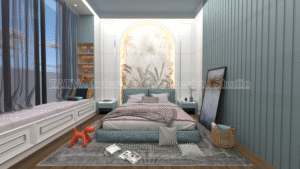
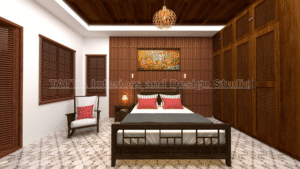
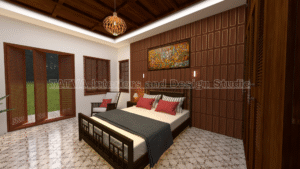
Use warm neutrals, soft fabrics, wood finishes, and subtle lighting.
A simple headboard wall can become the main feature.
You can combine an upholstered headboard with wood panels or a soft textured finish.
Therefore, the bedroom should balance contemporary detailing with a comfortable atmosphere.
Design a Contemporary Wardrobe
Wardrobes can have a major visual impact in bedrooms.
Full-height wardrobes can maximize storage while maintaining clean vertical lines.
Popular finishes include:
- Matte laminate
- Wood finish
- Acrylic
- Veneer
- Glass
- Mirror
You can also integrate a dressing unit into the wardrobe.
Therefore, wardrobe design should combine storage, proportions, and visual simplicity.
Use a Neutral Colour Palette
Neutral colours form a strong foundation for contemporary interiors.
Popular choices include:
- Warm ivory
- Beige
- Cream
- Greige
- Soft grey
- Taupe
- Light brown
Then introduce accent colours through furniture, artwork, cushions, rugs, or selected wall elements.
Therefore, neutral colours allow you to update the interior more easily over time.
Add Natural Wood Finishes
Wood can make contemporary interiors feel warmer.
Light wood can create a bright appearance, while walnut can add depth.
Wood finishes can be used on:
- TV units
- Wardrobes
- Kitchen cabinets
- Headboards
- Study units
- Wall panels
Therefore, wood can soften the clean lines commonly associated with contemporary design.
Use Layered Lighting
Lighting is essential for creating a comfortable contemporary interior.
Use ambient lighting for general illumination.
Add task lighting for kitchens, study areas, and dressing spaces.
Use accent lighting to highlight feature walls, artwork, niches, and furniture.
Decorative lighting can also create a focal point above a dining table or beside the bed.
Therefore, layered lighting can make the interior feel more sophisticated and functional.
Choose Warm Lighting for Living Spaces
Warm lighting can complement beige, ivory, wood, and other natural materials.
It can create a relaxed atmosphere in living rooms and bedrooms.
However, work areas and kitchen counters may require brighter task lighting.
Therefore, lighting should be selected according to the purpose of each space.
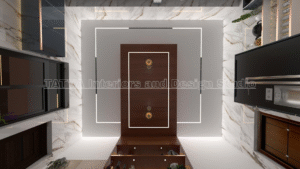
Keep the False Ceiling Simple
Contemporary interiors generally work well with simple ceiling designs.
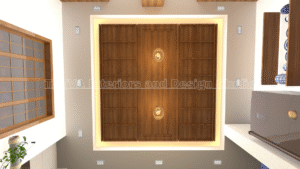
Recessed lights, profile lights, and subtle cove lighting can provide a clean appearance.
Avoid unnecessary ceiling patterns that make the room visually busy.
Therefore, the ceiling should support the overall design instead of becoming the main feature.
Plan Smart Storage
A contemporary home should remain visually organized.
Closed storage can hide everyday clutter and maintain clean lines.
Use full-height wardrobes, kitchen tall units, TV storage, shoe cabinets, and custom furniture where required.
Therefore, good storage is essential for maintaining a contemporary appearance.
Use Floating Furniture
Floating furniture can create a lighter visual appearance.
Examples include:
- Floating TV units
- Wall-mounted study desks
- Floating bedside tables
- Wall-mounted consoles
Keeping some floor area visible can make compact rooms feel more open.
Therefore, wall-mounted furniture can be particularly useful in apartments.
Design a Contemporary Home Office
A home office can use a simple desk, comfortable chair, storage, and focused lighting.
If space is limited, integrate the desk into a bedroom or living room.
Wall-mounted shelves can provide storage without taking up much floor area.
Therefore, a contemporary workspace should remain practical and visually clean.
Add Indoor Plants
Plants can add natural colour and texture to a contemporary home.
You can use a few larger floor plants or smaller plants on shelves and tables.
Avoid overcrowding the space.
Therefore, greenery can soften neutral colours and clean furniture lines.
Use Mirrors Strategically
Mirrors can reflect natural and artificial light while creating visual depth.
They can work well in entryways, bedrooms, dressing areas, and living rooms.
Wardrobe shutters can also include mirror panels where suitable.
Therefore, use mirrors where they provide both functional and visual value.
Choose the Right Flooring
Flooring should complement the overall contemporary palette.
Large-format neutral tiles can create a clean appearance.
Wood-look flooring can add warmth.
Natural stone or stone-look surfaces can provide a more premium character.
Therefore, flooring should be selected alongside the walls, furniture, and major materials.
Create a Contemporary Entrance
The entrance can introduce the design language of the home.
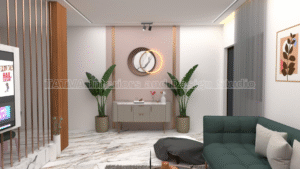
A simple console, mirror, shoe cabinet, wall panel, or soft lighting can create a welcoming foyer.
Avoid placing too many objects near the entrance.
Therefore, keep the area functional and uncluttered.
Make the Balcony Part of the Design
A balcony can become a useful extension of the home.
Depending on its size, you can create a:
- Reading corner
- Coffee area
- Small seating space
- Green corner
- Compact outdoor dining area
Use appropriate outdoor furniture and finishes.
Therefore, the balcony can become a comfortable lifestyle space instead of remaining unused.
Plan Electrical Points Early
Electrical planning should follow the furniture layout.
Consider power points for TVs, chargers, bedside lamps, study equipment, kitchen appliances, air conditioners, and decorative lighting.
Also plan internet points where required.
Therefore, electrical planning should happen before the final furniture and ceiling design.
Plan Curtains and Window Treatments
Window treatments can influence the overall appearance of a room.
Floor-length curtains can create a taller visual effect.
You can choose sheer curtains for daylight and blackout curtains for privacy and sleeping areas.
Roller blinds can also work well in study areas and modern bedrooms.
Therefore, window treatments should complement the overall colour and material palette.
Use 3D Visualization Before Finalizing the Interior
Contemporary interiors often combine several materials and subtle details.
3D visualization allows you to see these elements together before finalizing them.
You can compare:
- Furniture
- Wall colours
- Flooring
- Kitchen finishes
- Wardrobes
- Lighting
- Ceiling design
- Décor
Therefore, 3D visualization can help you make better design decisions.
Explore Tatva’s 3D Visualization Services.
Use Custom Furniture Where It Helps
Custom furniture can help achieve accurate proportions and better storage.
It can be useful for:
- TV units
- Wardrobes
- Study units
- Crockery units
- Shoe cabinets
- Dressing units
- Storage cabinets
However, customization should solve a specific requirement.
Therefore, use custom furniture where it adds practical value.
You can explore Custom Furniture Design Services.
Keep Maintenance in Mind
A contemporary interior should remain practical after installation.
Consider how often surfaces need cleaning and how they respond to everyday use.
Open shelves may collect dust more quickly. Glossy surfaces can show fingerprints more easily.
Therefore, choose finishes based on your lifestyle and maintenance preferences.
Common Contemporary Interior Design Mistakes
One common mistake is using too many different materials in one room.
Another is creating too many feature walls.
Oversized furniture can also disturb the balance of a room.
Using only one light source can make the interior feel flat.
Finally, adding too much décor can take away from the clean contemporary character.
Therefore, keep the design balanced, comfortable, and intentional.
How to Plan a Contemporary Home Interior
Step 1: Study the Floor Plan
Understand room dimensions, windows, doors, columns, and fixed elements.
Step 2: Define Your Requirements
Identify furniture, storage, workspaces, kitchen needs, and lifestyle requirements.
Step 3: Plan the Furniture
Determine the approximate position and size of major furniture.
Step 4: Select the Colour Palette
Choose a neutral base and add complementary accent colours.
Step 5: Select Materials
Coordinate wood, laminates, flooring, countertops, wall finishes, and fabrics.
Step 6: Plan Storage
Include wardrobes, kitchen storage, TV units, shoe cabinets, and other necessary storage.
Step 7: Plan Lighting
Coordinate ambient, task, accent, and decorative lighting.
Step 8: Create the 3D Design
Visualize the complete interior before finalizing the design.
Step 9: Review Functionality
Check circulation, furniture proportions, storage, lighting, and maintenance.
Frequently Asked Questions
What is contemporary home interior design?
Contemporary interior design focuses on current design elements such as clean lines, comfortable furniture, neutral colours, natural materials, textures, functional storage, and layered lighting.
What is the difference between modern and contemporary interiors?
Modern design usually refers to a defined design movement with particular characteristics. Contemporary design is more flexible and reflects current trends, materials, and lifestyles.
Which colours work well for contemporary homes?
Warm ivory, beige, cream, greige, soft grey, light wood, and taupe provide strong base colours. Sage green, navy blue, and muted earthy colours can be used as accents.
Is contemporary design suitable for small apartments?
Yes. Its emphasis on clean layouts, practical furniture, and efficient storage can work particularly well in compact homes.
Can wood be used in contemporary interiors?
Yes. Wood adds warmth and texture to clean contemporary spaces. Light oak and walnut are both versatile options.
How can I make a contemporary home feel warmer?
Use warm lighting, wood finishes, soft fabrics, neutral colours, rugs, curtains, and selected indoor plants.
Is custom furniture necessary?
No. However, custom furniture can be useful when you need specific dimensions, additional storage, or a coordinated appearance.
Is 3D visualization useful for contemporary interiors?
Yes. It helps you see how different materials, furniture, colours, lighting, and textures work together before finalizing the design.
Final Thoughts
The best contemporary home interior design in Bangalore combines current aesthetics with practical everyday living.
Start with proper space planning. Choose a balanced colour palette. Add natural wood, subtle textures, comfortable furniture, smart storage, and layered lighting.
Most importantly, avoid designing the home around trends alone. A contemporary interior should reflect your lifestyle while remaining comfortable and visually relevant for years.
At Tatva Interiors & Design Studio, you can explore Interior Design Services, 2D & 3D Floor Plans, 3D Visualization, Modular Kitchen Design, and Custom Furniture Design.
You can also view the Tatva Portfolio or Contact Tatva Interiors & Design Studio to discuss your home interior requirements.
Contemporary design is about balance: clean enough to feel refined, warm enough to feel like home.