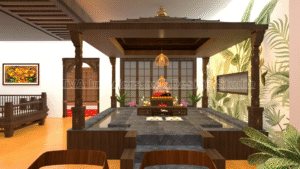
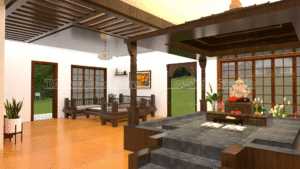
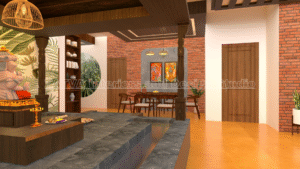
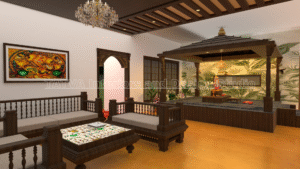
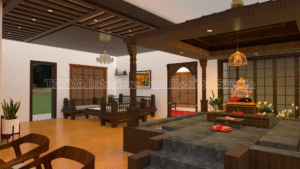
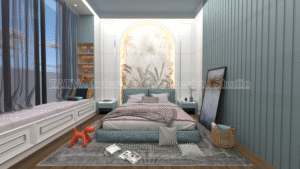
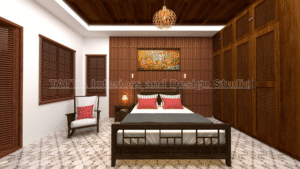
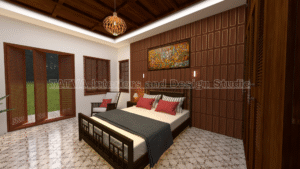
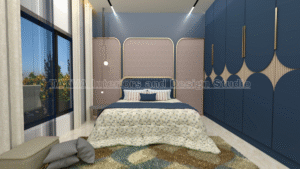
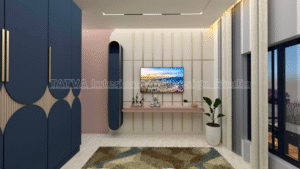
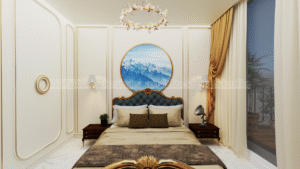
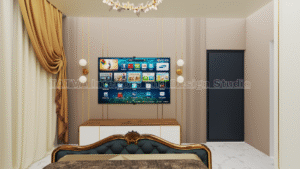
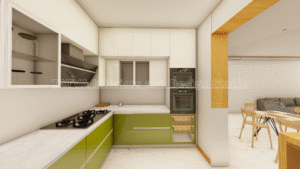
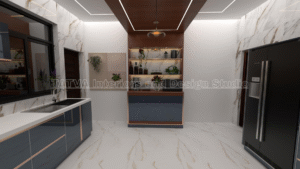
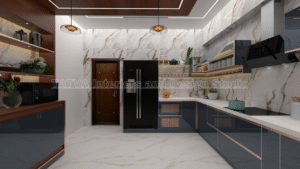
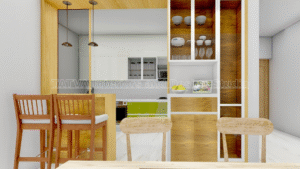
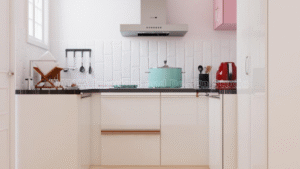
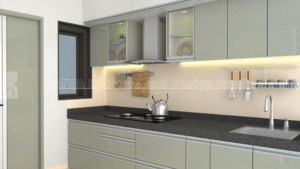
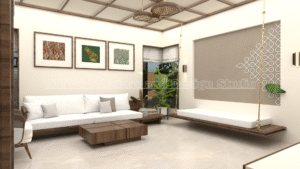
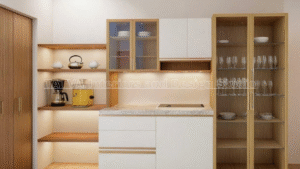
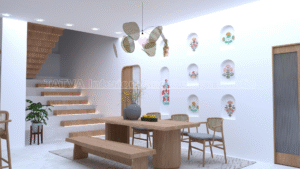
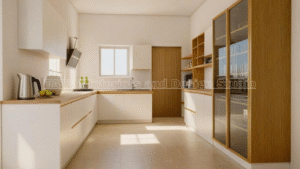
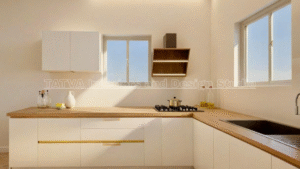
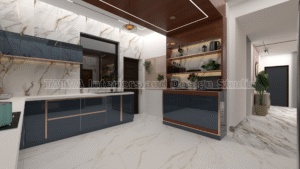
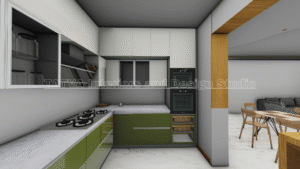
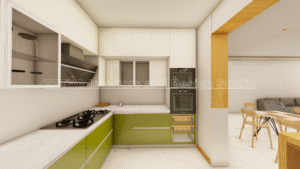
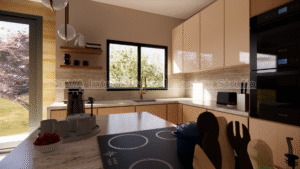
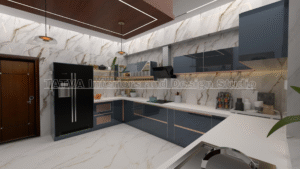
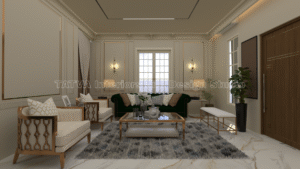
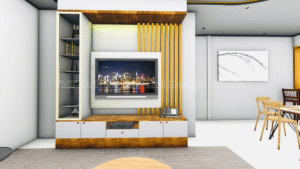
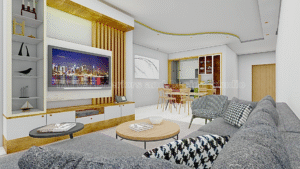
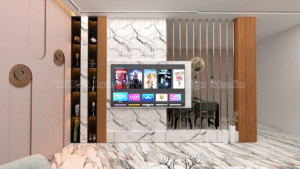
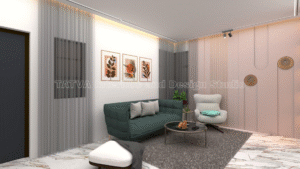
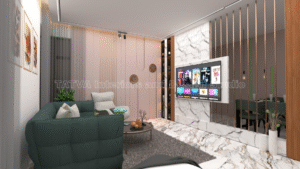
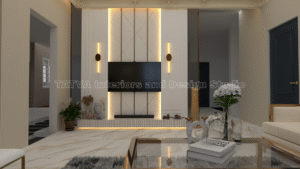
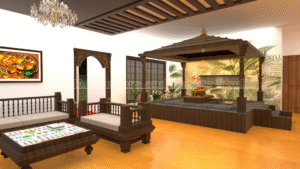
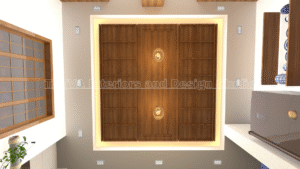
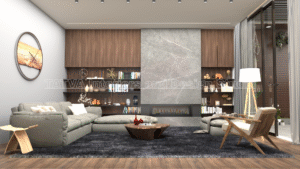
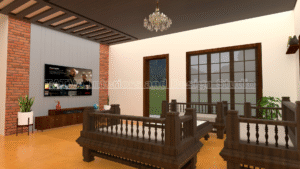
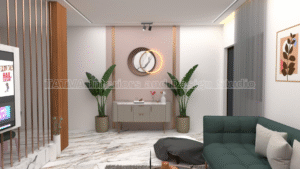
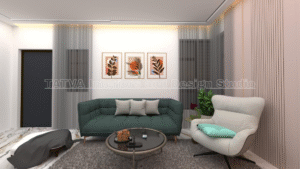
Commercial interior design is not just about making a space look stylish — it is about designing environments that improve productivity, attract customers, inspire employees, and support business growth. Whether it’s an office, retail store, café, clinic, or coworking space, commercial interiors influence how people think, feel and behave inside that environment.
In today’s competitive world, businesses no longer want basic interiors.
They want spaces that work and inspire — spaces that speak their brand, improve efficiency, and create memorable experiences.
In this complete guide, we explore how commercial interior design works, why businesses need it, key design principles, popular trends, and how professional interior designers transform commercial spaces into high-performing environments.

⭐ What Is Commercial Interior Design?
Commercial interior design refers to creating functional, efficient, aesthetic and brand-aligned spaces for business use. It includes:
-
Corporate offices
-
Retail showrooms
-
Restaurants & cafés
-
Salons & spas
-
Clinics & hospitals
-
Schools & training centres
-
Hotels & resorts
-
Co-working spaces
-
Commercial buildings
-
Industrial and warehouse offices
Each type of commercial project has unique requirements, but the goal is the same — design spaces that support business productivity and customer experience.
⭐ Why Commercial Interior Design Matters
Businesses invest in commercial interiors because good design impacts:
1. Productivity & Efficiency
Employees perform better in comfortable, well-planned spaces with good lighting, ergonomic furniture, and smart layouts.
2. Customer Experience & Sales
In retail, clinics, restaurants and salons, the ambience influences buying behavior and customer satisfaction.
3. Brand Identity
Commercial interiors reflect the company’s values, personality and message — from colours to materials to layout.
4. Space Optimization
Every square foot is valuable. Professional design ensures maximum use of available space.
5. Employee Well-being
Comfortable workspaces reduce stress, improve focus, and support mental well-being.
6. Professional Impression
A well-designed space enhances trust, credibility and brand image.
⭐ Key Principles of Commercial Interior Design
Every successful commercial space is built on the following foundations:
1. Space Planning
Space planning decides how people move, work and interact within the space. It includes:
-
Zoning
-
Furniture layout
-
Workflow routes
-
Seating arrangements
-
Storage planning
-
Customer movement flow
In offices, space planning ensures smooth communication.
In retail, it directs customers towards key display areas.
2. Functionality First
Commercial spaces must support the purpose of the business.
An office must encourage productivity.
A retail store must increase sales.
A café must feel warm, cozy and inviting.
Function always comes before decoration.
3. Brand Expression
A company’s brand identity should be felt instantly when someone enters the space.
This includes:
-
Colours
-
Logo integration
-
Materials
-
Graphic elements
-
Themes
-
Furniture style
Brand-aligned interiors build trust and consistency.
4. Lighting Design
Lighting affects mood, productivity and purchasing behaviour.
-
Natural light boosts productivity
-
Warm lighting creates comfort
-
Spotlights highlight retail products
-
Task lighting improves workstation efficiency
Good lighting transforms the entire space.
5. Material Selection
Materials influence durability, maintenance and aesthetics.
Commercial spaces typically use:
-
Laminates and veneers
-
Acoustic panels
-
Commercial-grade flooring
-
Toughened glass partitions
-
Hygienic surfaces (clinics)
-
Sound-absorbing elements (offices)
Materials must be long-lasting and suitable for high usage.
6. Ergonomics
Ergonomic furniture reduces fatigue and improves comfort.
Especially in offices, ergonomics are non-negotiable:
-
Adjustable chairs
-
Proper desk height
-
Correct monitor placement
-
Good lighting for eye comfort
Ergonomics = happier employees = better productivity.
7. Safety & Compliance
Commercial spaces must follow safety guidelines such as:
-
Fire exits
-
Ventilation
-
Anti-skid flooring
-
Emergency lighting
-
Accessibility
-
EHS standards
Safety is a critical part of commercial design.
⭐ Types of Commercial Spaces & How They Are Designed
1. Office Interior Design
Modern office design focuses on:
-
Open workspaces
-
Breakout areas
-
Private cabins
-
Meeting rooms
-
Filing & storage
-
Collaborative zones
-
Acoustic panels
-
Wellness and greenery
A well-designed office helps in:
✔ Boosting productivity
✔ Reducing stress
✔ Improving workflow
✔ Enhancing employee satisfaction
2. Retail Store Interior Design
Retail design aims to improve:
-
Customer flow
-
Product visibility
-
Lighting
-
Display stands
-
Trial rooms
-
Billing counters
-
Brand communication
The right design encourages customers to browse more and buy more.
3. Restaurant & Café Interior Design
Restaurant interiors influence:
-
Customer mood
-
Dining experience
-
Table turnover time
-
Brand feel
Design elements include:
-
Ambient lighting
-
Seating comfort
-
Music planning
-
Wall textures
-
Instagram-worthy spots
-
Kitchen-to-table flow
A good interior can turn any café into a popular destination.
4. Clinic & Healthcare Interior Design
Healthcare interiors must be:
-
Hygienic
-
Calming
-
Easy to clean
-
Well-lit
-
Spacious
-
Patient-friendly
Soft colours, clean lines and relaxing lighting create a soothing environment.
5. Salon & Spa Interior Design
People visit salons for relaxation.
The design must feel luxurious and peaceful.
Key elements include:
-
Warm lighting
-
Aromatherapy zones
-
Comfortable seating
-
Storage optimization
-
Aesthetic mirrors
-
Soundproofing
⭐ Latest Trends in Commercial Interior Design for 2025
1. Biophilic Design
Natural elements like plants, earthy colours and sunlight improve mental well-being.
2. Open Collaborative Workspaces
Encourages teamwork and communication.
3. Acoustic Solutions
Soundproofing materials for quiet, focused environments.
4. Sustainable & Eco-friendly Materials
Bamboo, cork, recycled wood and low-VOC paints.
5. Smart Workspaces
Automation, motion sensor lights, digital screens and touchless technology.
6. Branding Through Interiors
Brand storytelling through colours, signs and design.
7. Flexible & Modular Furniture
Furniture that adapts to changing needs.
⭐ How Professional Designers Transform Commercial Spaces
✔ Detailed requirement analysis
✔ Space planning
✔ Mood boards & material selection
✔ 3D renders & walkthrough animations
✔ MEP planning (Mechanical, Electrical & Plumbing)
✔ Execution & quality checks
✔ Final handover with branding elements
Professional commercial designers ensure the space works for both people and business goals.
⭐ Conclusion: Design That Works, Inspires & Delivers Results
Commercial interior design is not just about aesthetics — it’s about creating spaces that inspire people and support business success. Whether you own an office, shop, café, or clinic, a well-designed space improves productivity, customer experience and overall brand value.
If you want your commercial space to stand out, attract customers and reflect your brand identity, professional interior design is the smartest investment.
⭐ CTA (Call to Action)
Looking to design or renovate your commercial space?
Tatva Interiors & Design Studio creates smart, functional and inspiring commercial interiors.
📞 +91 76196 55385
✨ Offices | Retail | Clinics | Cafés | Salons | Commercial Spaces
Let’s design a space that helps your business grow.